








Offers Clients Nutritional Supplements to Complement a Healthy Lifestyle Approach
EnergyFirst, a leading provider of science-based nutritional supplements, healthy lifestyle products and educational resources, is pleased to announce that it has partnered with Sunstone, the premiere yoga studio in the Dallas/Ft. Worth area. Sunstone will promote EnergyFirst and its products as the ideal nutritional partner to the healthy mind-body approach, which is inherent to the practice of yoga.
"Nutrition is extremely important to yoga practitioners, and our clients rely on us to stay updated on the latest developments," said Brandon Hartsell, Sunstone Yoga Co-Founder. "Our research has found a large discrepancy between what is available at traditional health food retail stores and what is offered by EnergyFirst. We're happy to recommend these products as a way for clients to improve strength and keep energy levels high."

Sunstone Yoga clients, like millions of other yoga practitioners in the U.S., focus on using the body's muscles, posture, breathing mechanisms and consciousness as a way to attain physical and mental well-being. Similar to yoga, EnergyFirst has a philosophy that focuses on attaining optimal health, energy and wellness for life. The company's core, quality products include:
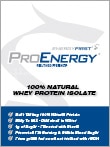
- ProEnergy Natural Whey Protein Powders - the purest form of whey protein available, making it easy to absorb into the body.
- Greenergy - supplying the body with five servings of vegetables each day in every scoop.
- OmegaEnergy™ Oil - a highly concentrated source of long-chain essential fatty acids, EPA and DHA.
- OmegaEnergy Mix - the perfect ratio of omega 3 and 6 essential fatty acids which are essential to maintain optimal energy levels and promote brain, joint, vascular and heart health.
- VitaEnergy Mega Plus ACE - a high potency multi vitamin mineral with extra antioxidants for optimal energy, health, and protection against disease.
"Our partnership with Sunstone is the perfect blend of nutrition, physical fitness and mental well-being," said Gerry Morton, CEO of EnergyFirst. "Our supplements will complement Sunstone's healthy lifestyle approach and help clients look and feel better than ever."
In addition to its core nutritional products, EnergyFirst also offers a line of vitamins and supplements as well as other healthy lifestyle products and resources. All EnergyFirst products are available exclusively online at www.energyfirst.com.
About Sunstone:
Established by Brandon Hartsell and Nicole Shaw in 2002, Sunstone provides top quality certified instruction at the finest facilities in the nation for practicing hot yoga and power yoga. Through time and with patience, Sunstone students discover the subtle relationship of body, mind and spirit, thereby reducing stress, increasing strength, improving flexibility, balancing the weight of the body and improving the quality of their lives. Sunstone has several locations in the Dallas/Ft. Worth area. More information is available at www.sunstonefit.com/.
About EnergyFirst:
EnergyFirst is a leading provider of science-based nutritional supplements, healthy lifestyle products and educational resources intended to support total wellness-optimal health, high-energy and peace of mind. Founded in 1997, EnergyFirst is dedicated to using the latest biochemistry research available to develop and distribute premium products to its customers. The EnergyFirst Program is the cornerstone of the company's high-energy lifestyle philosophy, offering not just a weight-loss plan but a program on getting lean, increasing energy and attaining optimal health and wellness for life. This program is based on cutting edge research from pre-eminent anti-aging and sports nutrition specialists such as Dr. Michael Colgan, PhD, CCN and Dr. Udo Erasmus, PhD, CCN; and scientific research foundations including Life Extension Foundation and the Whey Protein Institute. More information is available at www.energyfirst.com