What is whey protein powder?
Whey is a substance derived from cow's milk comprised primarily of protein, lactose, and minerals,
with trace amounts of fat. Whey is a 100% complete protein, meaning that it contains all the essential
amino acids required by the human body.
Throughout much of the history of dairy production in the U.S.,
whey was not recognized as a valuable food source; rather it was considered a mere by-product in the cheese
manufacturing process. By 1975, as the scientific community better understood the health benefits it offers,
rudimentary efforts were underway to process whey as a supplemental protein powder.
In the 1990s, more sophisticated
techniques like advanced micro-filtration and ion exchange facilitated a higher quality product─whey protein
isolate─in which the pure amino acids are retained while the fat and milk sugar (lactose) is removed, resulting
in a pristine, easily absorbed (and organically sourced) form of whey containing at least 90% protein by weight.
It is the closest you will find to organic whey protein powder that is not certified as such due to the challenges
of currently sourcing 100% organic whey protein isolate.
Who can benefit from whey protein powder?
This functional food is ideal for:
 Growing children. Developing bodies need easily absorbed, high-quality protein every day, without added fat, cholesterol, sugar, or processed carbs. In fact, sugar and refined carbohydrates both largely factor into America's childhood obesity epidemic.
- Teenagers. Many of the problems that kids experience in their teen years─from extra pounds, to mood swings, to acne─may be linked to poor diet and sugar from foods/beverages. Teens consuming lean, healthy, blood sugar-stabilizing protein daily are less likely to over consume junk foods/drinks.
- Adults: people of all ages need high-quality protein, especially over time. As we age, our ability to assimilate protein decreases, which can impair daily wellness. Whey protein─the most easy-digesting protein available─is not only ideal for optimal daily nutrition, it also helps to preserve lean muscle mass and protect immune health throughout our lifespan.
- Body builders, athletes, and anyone seeking fitness: Whey protein is especially valuable for those who exercise regularly by helping to promote fat loss while fueling the development of lean muscle mass. Whey protein also facilitates a highly efficient anabolic response─your body's ability to build and repair muscle.
- Pregnant women and nursing mothers: Easy-digesting, high-quality protein is ideal pre and post-natal nutrition, and may also reduce the risk of developing gestational diabetes. Complete protein on a daily basis is crucial for fetal and infant development─both for growing bodies and brains.
- People of all ages seeking healthy, permanent weight loss. Studies comparing whey and casein on appetite and satiety-related hormones found whey protein powder to be most effective in promoting satisfaction and fullness resulting in reduced appetite and decreased food intake.9,10
What should you consider when choosing a protein supplement?
Since many people fail to obtain enough healthy protein in their diets, supplementation is
a smart way to maximize your intake of this vital macro-nutrient. To ensure you choose the
highest quality product, ask these questions first:
 Is it the best form of supplemental protein?
While whey and soy are common forms of supplemental protein, whey has many
advantages over soy. For starters, whey and organic whey protein is a more complete protein, containing optimal
levels of all 9 essential amino acids─which must be consumed in your diet as you body
can't make them. These are histidine, isoleucine, leucine, lysine, methionine, phenylalanine,
threonine, tryptophan and valine.
Soy protein is limiting in the essential amino acid methionine, which has many important
functions in your body. Whey also has a greater biological value (BV) than soy, which is a
measure of how much protein is actually absorbed into your body's tissues.1 For example,
soy has a BV score of 74, whereas whey protein comes in at 104.2 Soy is also among the
nine most common food allergens afflicting Americans, according to the Asthma and Allergy
Foundation of America.3
What form of whey protein is used?
Whey protein typically comes in three major forms: concentrate, hydrolysate, and isolate.
- Whey protein concentrate contains some fat and cholesterol, and a fair amount
of carbohydrates in the form of lactose, varying by brand. Concentrate ranges
anywhere from 29%–89% protein by weight.
- Whey protein hydrolysate consists of pre-digested, partially hydrolyzed whey protein.
It generally costs more than other forms and can be bitter tasting.4
- Whey protein isolate is carefully filtered to remove the fat and lactose while
retaining the pure amino acids─is arguably the cleanest, least allergenic, most
palatable form of whey protein. Additionally, it's extremely rich in protein: 90% or
more by weight.
How high is the sugar content?
If your protein powder is to be a healthy food staple, cheap, fattening fillers like sugar should
be avoided. Read the nutritional facts label carefully. Sugar comes in many forms, such
as sucrose, high fructose corn syrup, fructose, dextrose, glucose, and lactose─milk sugar.
Note how many sugar grams you get per serving. Aim for 1 gram or less, and be sure total
carbohydrates are no more than 3-4 grams per serving.
Is it naturally sweetened?
While most forms of protein powder contain some type of sweetener, make sure the one
you select offers a natural sugar form. Commonly used sugar alcohols─such as sorbitol, mannitol,
malitol, and xylitol─can cause stomach upset for many people. Other sugar substitutes─like
aspartame, sucralose, acesulfame-K, and saccharin may pose serious health risks. All
chemical sweeteners should be avoided, especially for daily consumption.
Does it contain fat or cholesterol?
The best whey protein powders utilize 100% whey protein isolate, which is virtually free of
cholesterol, fat and lactose. If your protein powder does list fat in the ingredients, be sure it's
no more than 2 grams per serving.
Is it gluten-free?
Nearly 15% of people have an allergy or intolerance to gluten─a component of many grains
and flour. Avoiding gluten can be difficult, as it is hidden in many foods, including some
protein powders. In 2006, the FDA required food labels to clearly state the 8 main allergens:
wheat, eggs, peanuts, milk, soy, fish, shellfish, and tree nuts. While this is helpful, listing
gluten specifically is still not mandatory, so be sure the product you select has "gluten-free"
on the label.
How much protein do you need daily to optimize your health and energy?
Protein is a vital building block of bones, muscles, cartilage, skin, and blood. It's classified as a "macronutrient,"
meaning that the body needs relatively large amounts of it, however unlike fats and carbs, our bodies can't store protein.
This means that every cell in your body depends on the protein you consume on a daily basis to perform optimally.
So how much do you need?
Many Americans consume too little protein. Daily needs range from .8 grams per pound of body weight to 1.5 grams or
more─depending on your activity level, and fitness and/or weight loss goals. Pregnant women, nursing mothers,
and children should ideally consume 1 gram per pound daily. The best protein sources overall are whey protein powder,
egg whites, seafood, turkey, chicken, lean meats, and non-fat dairy products like plain yogurt and cottage cheese.
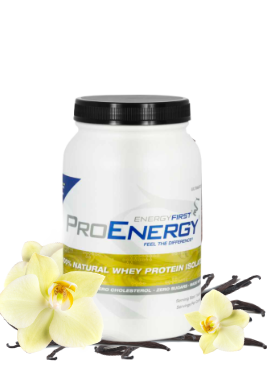
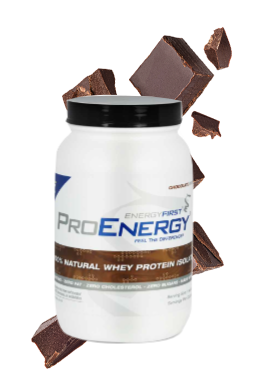
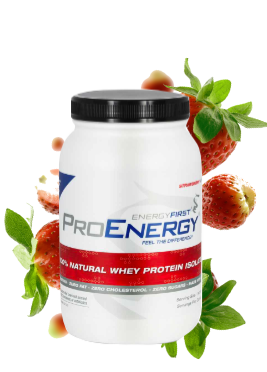
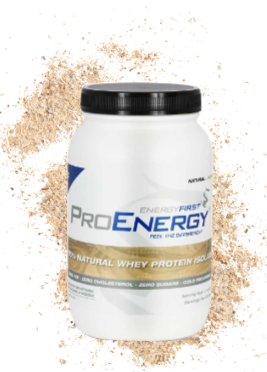
One level scoop of EnergyFirst ProEnergy whey protein powder contains 19 grams of exceedingly well-absorbed, high-quality protein.
A regular serving size is 2 scoops.
References
1 Journal of Sports Science and Medicine (2004) 3, 118-130
2 U.S Dairy Export Council, Reference Manual for U.S. Whey Products 2nd Edition, 1999 and Sarwar, 1997.
3 "Allergy Facts and Figures," Asthma and Allergy Foundation of America http://www.aafa.org/display.cfm?id=9sub=20cont=518
4 Trends in Food Science & Technology 13 (5): 151–9. doi:10.1016/S0924-2244(02)00111-5.


















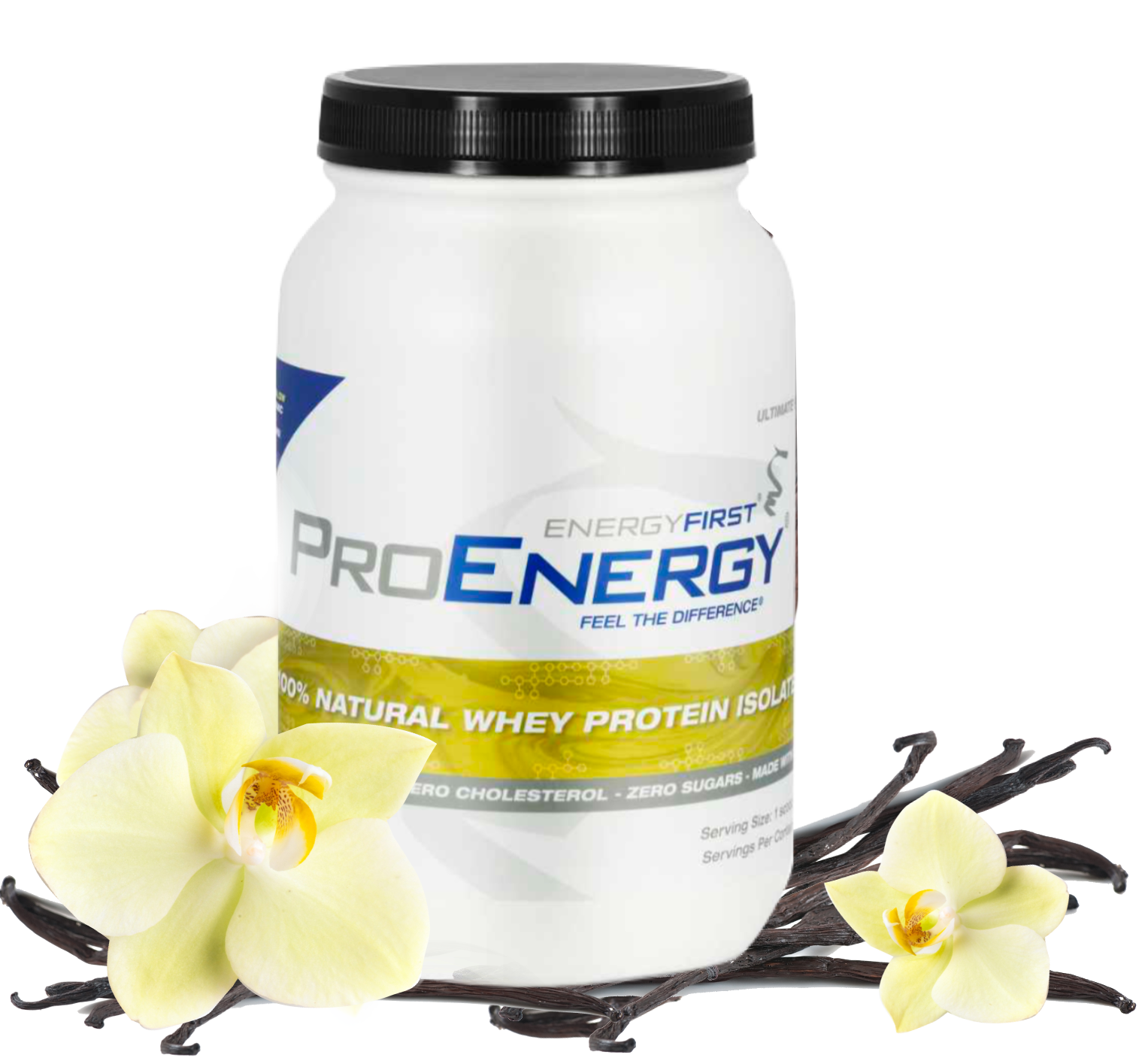
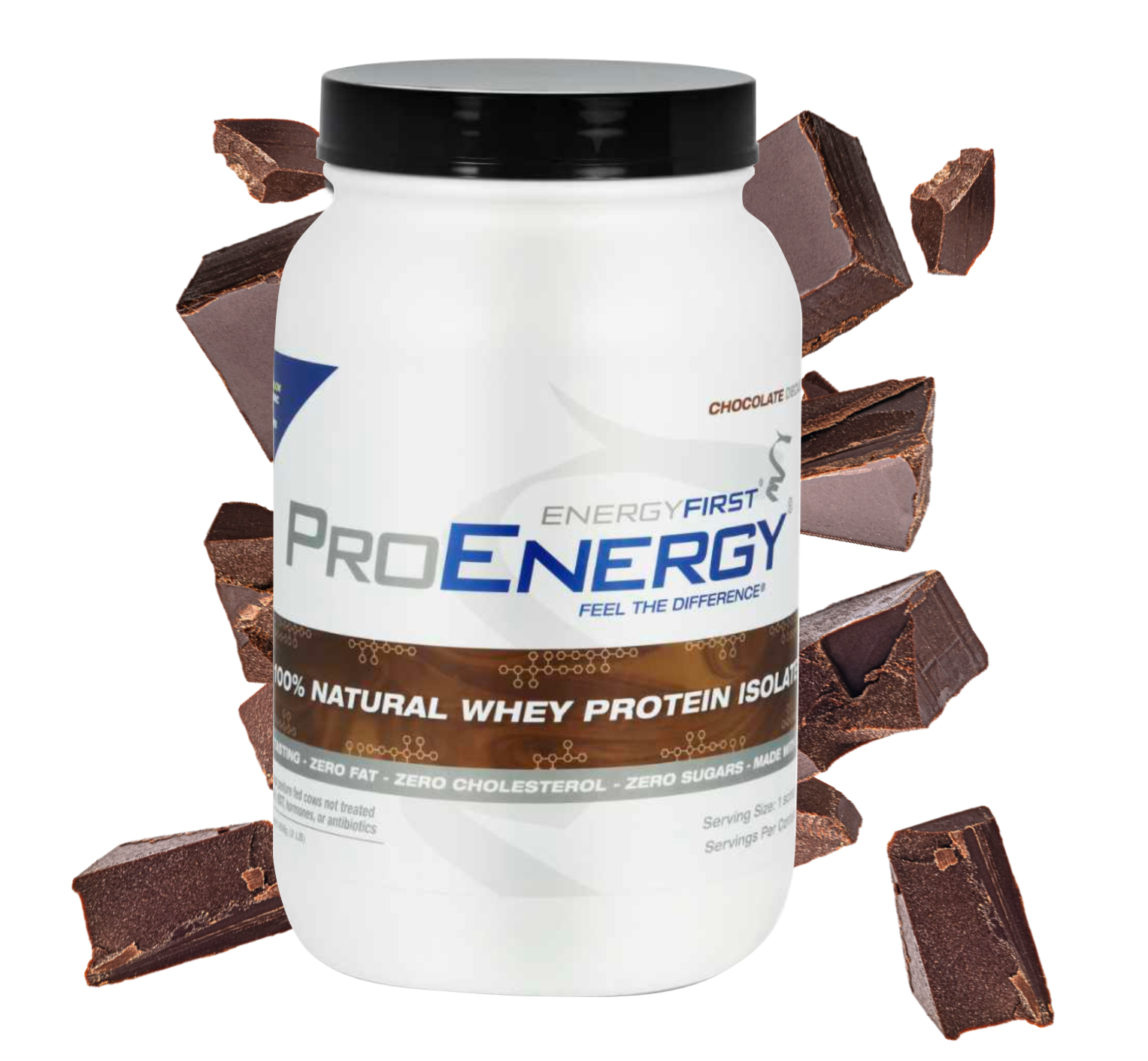
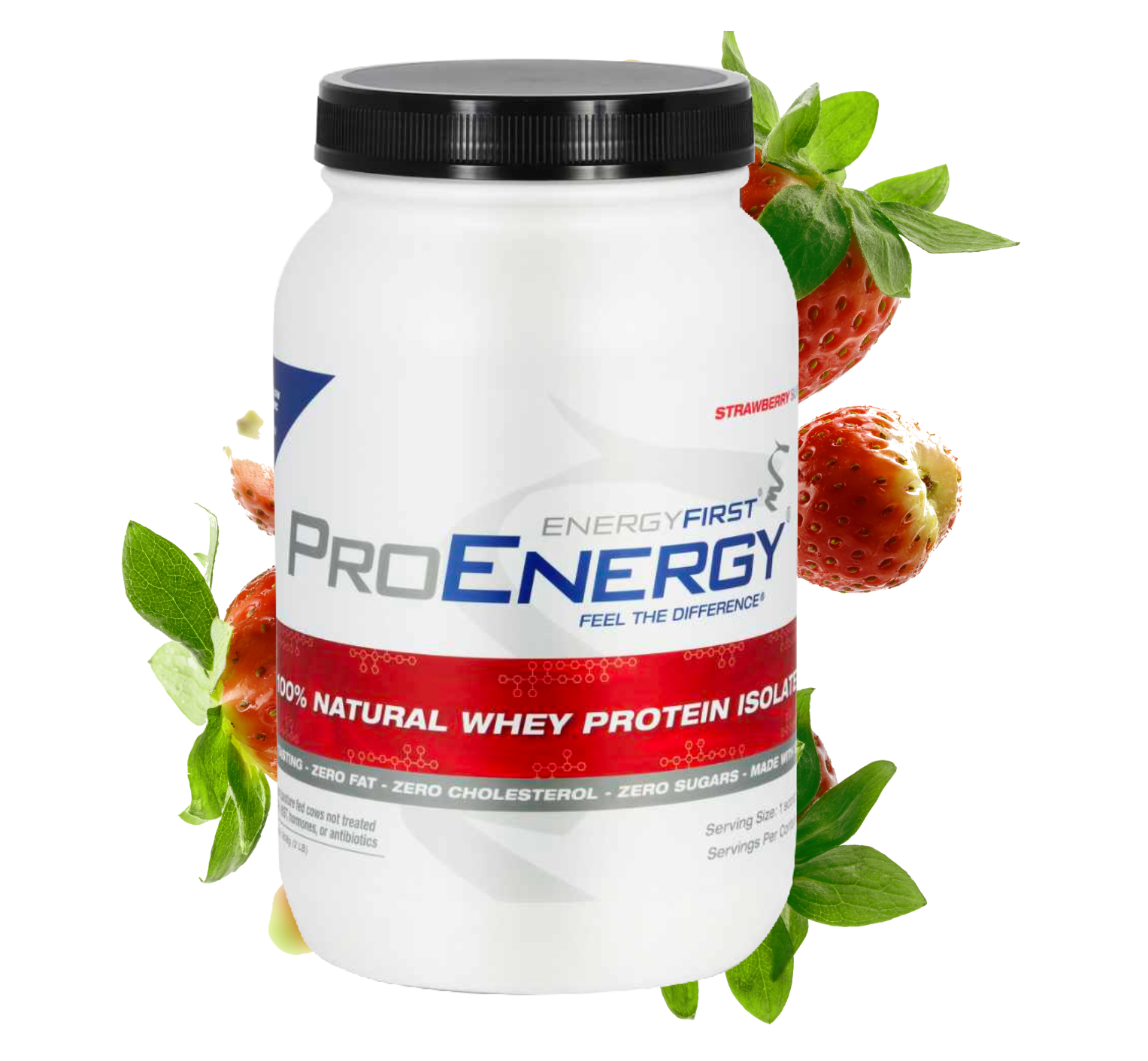
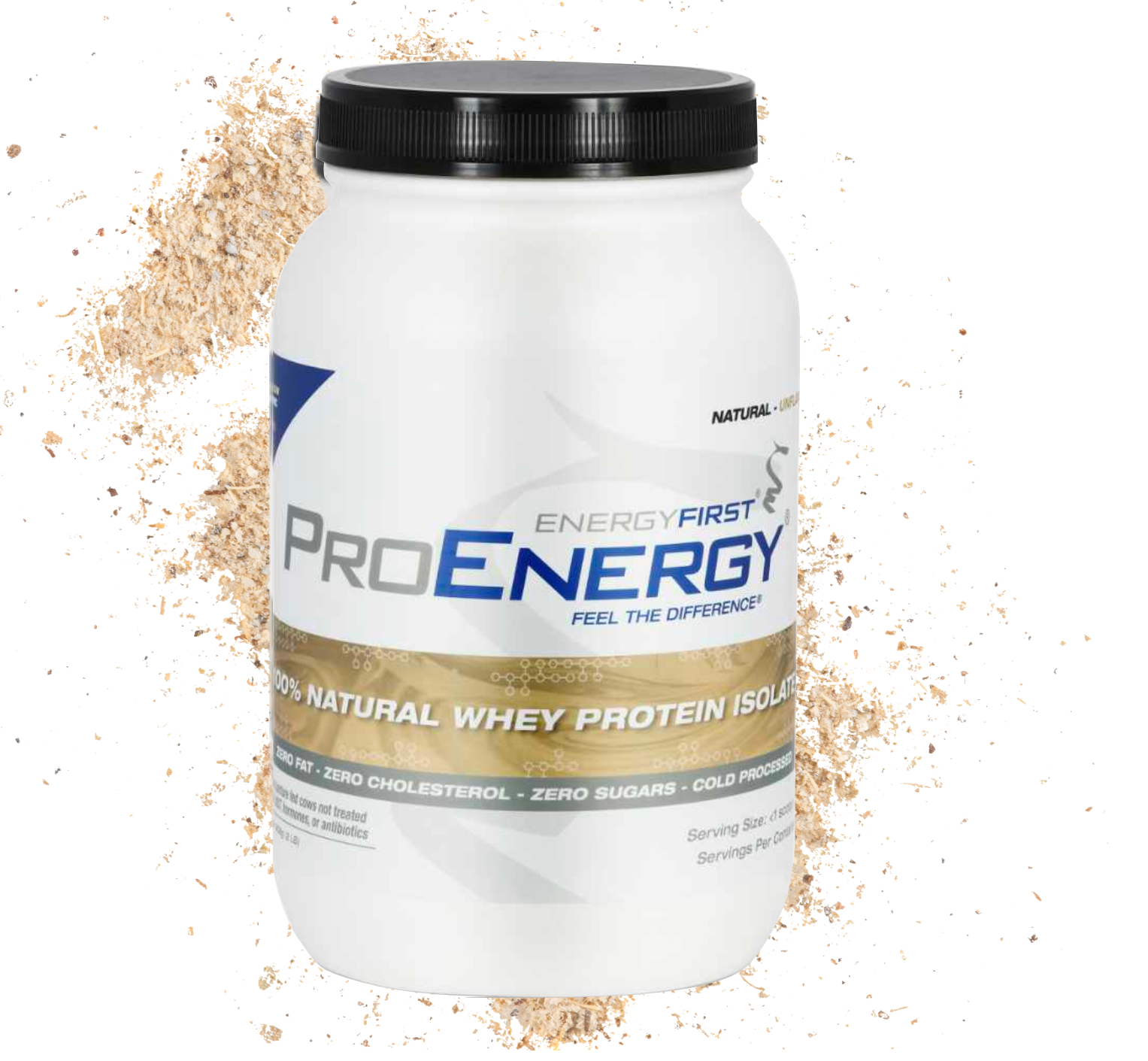








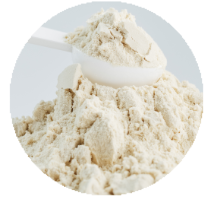





 All natural whey protein isolate (no concentrate)


 GRASS FEED
 HORMONE FREE
 100% NATURAL
 GLUTEN FREE
 SOY FREE
 LACTOSE FREE









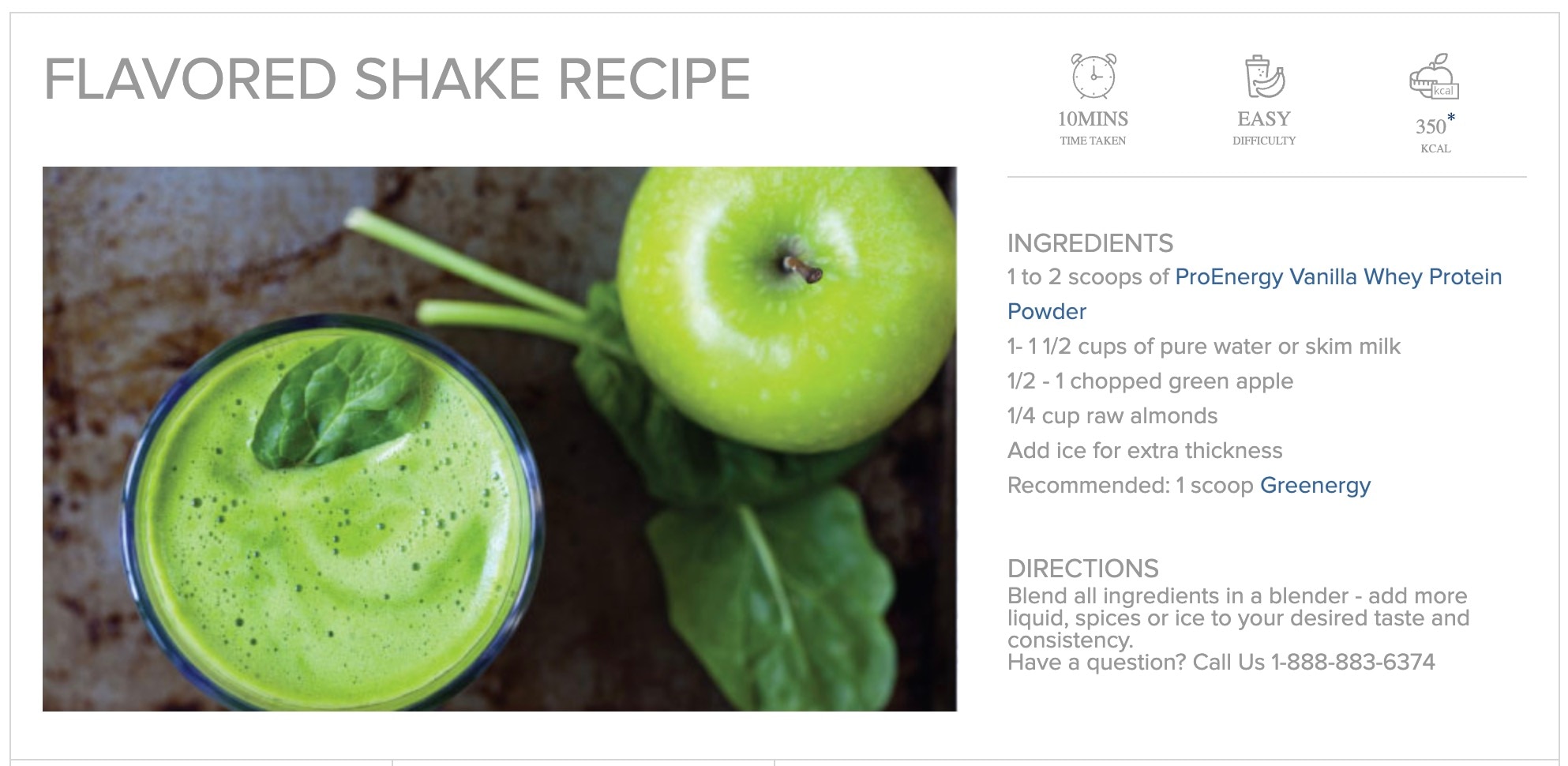
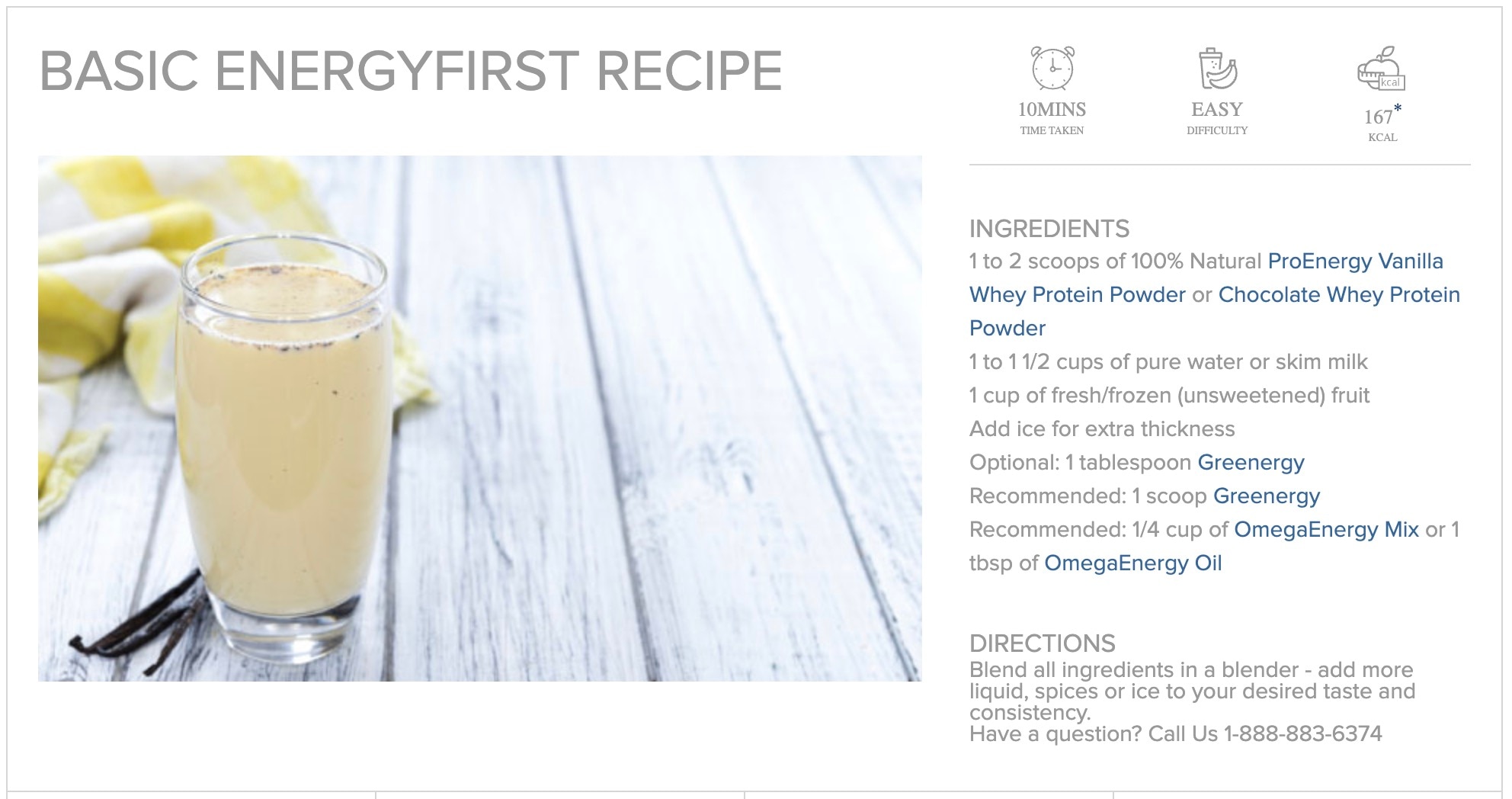

 MIX & MATCH