














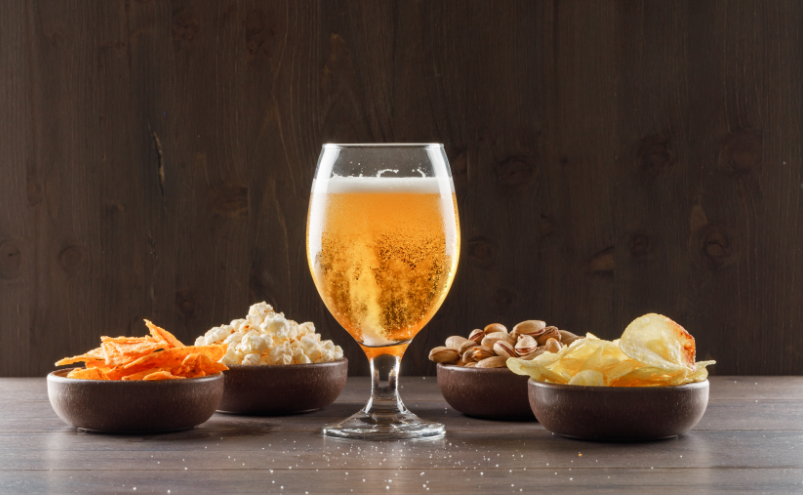
With many cities on lockdown and people in self-quarantine, you may have heard of a new trend from this current COVID-19 pandemic - the Quarantini. It's practically any alcoholic beverage consumed during a lockdown, a time when no bars or restaurants are open to the public. At a time when the subject of immunity, behavioral, and mental health is such a priority, it may be wise to examine alcohol's impact.
Interestingly, on April 4th of this year, the World Health Organization (WHO) published a reminder that, contrary to circulating messages, alcohol does not protect one from COVID-19 and strongly encouraged governments to enforce limits on alcohol consumption. The article listed several ways alcohol consumption can pose an issue during the COVID-19 lockdown:
- it increases risk-taking behavior
- increases health vulnerability
- contributes to mental health issues and violence
Clinicians and researchers alike have seen a link between heavy alcohol consumption and negative effects on immunity - increased susceptibility to pneumonia, acute respiratory stress syndromes, sepsis, cancers, liver disease, post-operative complications, and incomplete recovery from infection or trauma. The list can go on.
Just how does alcohol disrupt immunity?
Let's start with the first thing alcohol touches when it enters the body - the GI tract. We just highlighted in the previous article the role of the gut flora in training and communicating with the immune system cells. Well, it turns out alcohol can negateively effect the number of bacteria in the gut flora. Alcohol interferes with the communication between gut bacteria and immune system cells. Alcohol also damages the lining of the intestinal walls and immune cells that reside in the intestine - intestinal T cells and neutrophils. As long as healthy gut bacteria STAY in the gut, they can confer a benefit to the host. Once these bacteria leak into the bloodstream, problems and infections can occur. This is why it is important to maintain a healthy intestinal wall, which unfortunately gets damaged by heavy alcohol intake.
Other Defenses
Alcohol can weaken the body's defense against cancer. Interestingly, in order for cancer treatment such as chemotherapy to work properly succeed, a fully functional immune system is key! Therefore, alcohol can impair immunity and disease therapy.
It may also impair key immune cells on lung tissue, increasing risk of respiratory infection.
Alcohol can even impair the body's response to a vaccination.
When Alcohol and Immune System Cells Meet
Natural Killer Cells - These are a type of white blood cell involved in virus and cancer cell destruction. Animal studies show that chronic alcohol intake reduces the number and activity of natural killer cells.
Cytokines - These are used to regulate the function of immune cells. Studies show decreased blood levels of certain types of cytokines that are needed to activate the immune response.
T-cells - Both animal and human studies show low numbers of T-cells with chronic and acute alcohol intake.
Phagocytic cells - Chronic and acute alcohol intake inhibit the ability of phagocytes to function by ingesting and breaking down pathogenic bacteria.
B-cells - B-cells produce and secrete antibodies, which play a huge role in immunity. Alcohol is linked with reduced B-cell numbers. This is partly why alcohol intake can impair one's response to vaccination.
What about a one-time binge?
Research shows it doesn't have be chronic heavy drinking to impair the immunity. Even single bouts of binge drinking disrupt normal immunity, such as the count of circulating monocytes and cytokines available to participate in an immune response.
One review article published in Alcoholism: Clinical and Experimental Research, found that not only acute or chronic excessive alcohol use result in immune system abnormalities. Even moderate drinking can have some immune-impairing effects. This is the case for several conditions, such as cancer and liver disease. For these conditions, there is no level considered as "moderate" or "safe".
True, some past studies have shown some protective health benefits of moderate alcohol consumption. However, as the CDC points out, a significant limitation of these studies is that it is hard to conclude whether these improved health outcomes are from the moderate alcohol consumption or from other behaviors and genetic factors that are at play.
The 2015-2020 Dietary Guidelines for Americans don't encourage alcohol consumption. However, they do advise those who do choose to drink to limit alcohol to one drink per day for women and no more than two drinks per day for men of legal age.
Additional tips for responsible drinking include:
- when experiencing thirst, start with a non-alcoholic drink
- drink any alcoholic beverage slowly
- avoid binge drinking
- avoid drinking on an empty stomach. Food slows down the absorption of alcohol.
Drink responsibly!
References
Sarkar, D., Jung, M. K., & Wang, H. J. (2015). Alcohol and the Immune System. Alcohol Research : Current Reviews, 37(2), 153–155.
Alcohol and COVID-19: what you need to know. World Health Organization: 2020. https://www.euro.who.int/__data/assets/pdf_file/0010/437608/Alcohol-and-COVID-19-what-you-need-to-know.pdf?ua=1
Afshar, M. et. al. (2015) Acute immunomodulatory effects of binge alcohol ingestion. Alcohol. Volume 49, Issue 1, February 2015, Pages 57-64
Szabo, G. & Mandrekar, P. (2009). A Recent Perspective on Alcohol, Immunity, and Host Defense. Alcoholism: Clinical and Experimental Research, 33(2).
https://www.cdc.gov/alcohol/fact-sheets/moderate-drinking.htm
Alcohol Res. 2015; 37(2): 185–197.