CALL TOLL FREE
888-883-6374
Gerry Morton |
CALL TOLL FREE
888-883-6374
Gerry Morton |
|
If for any reason you are dissatisfied with your purchase, simply return the unused portion for a full refund. More Info 



  |
Say "Yes" to Healthy Joints!March is a rainy month in lots of places. For many of America's 46 million arthritis sufferers, wet days are also sore days. But joint pain is not just limited to arthritis. Low back pain is the most common health complaint among American adults. Knee pain is not far behind. What can you do to keep these important joints working well and feeling good? As with nearly every other health concern, the key to healthy joints is a combination of proper exercise and nutrition. "March" toward a Stronger CoreLow back pain usually results from weak muscles in the deep core. Exercises such as the "Bridge and March" (that's "march" as in what armies do, not the month!) will help you strengthen these muscles. Lie face up on the floor with both knees sharply bent and both feet flat on the floor, arms resting at your sides. Lock your lumbar spine into the neutral position as described above. Tighten your tummy and lift your hips upward until your body forms a straight line from your knees to your neck. Keep your arms relaxed on the floor. Pause briefly, then lift your right foot several inches above the floor. Pause for one second and lower it back to the floor in a gentle marching motion. Concentrate on keeping your hips high and preventing your spine from rotating while performing this action. Now march with the left leg. March 8 to 10 times with each leg. Core strengthening exercises—especially for the hips—will help you prevent and overcome knee pain, too. If you're overweight, losing weight will also take some strain off these joints. That's where nutrition comes in. Besides eating a healthy diet for weight management, you should also consider using nutritional supplements that are known to support joint health. A Role for SupplementsThe best-known supplements for joint health are glucosamine and chondroitin, such are those found in the EnergyFirst Glucosamine Complex, which are actual components of cartilage. Fewer people are aware that fish oil supplements such the OmegaEnergy Fish Oil are also good for the joints, because they contain omega-3 fatty acids with anti-inflammatory properties. A recent study from the University of Buffalo found that fish oil supplementation reduced inflammation and pain in a group of rheumatoid arthritis sufferers. |

|
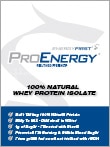
EnergyFirst, a leading company in the all-natural protein and supplement industry, was founded in 1997. We, at EnergyFirst, believe that everyone can benefit from drinking a protein shake whether the goal is optimal nutrition in a meal replacement, an easy and healthy breakfast alternative, a weight loss aid, or a protein supplement for athletes. We also believe that your protein shake should be 100% natural and delicious. Nutritionist, educator, athlete, and EnergyFirst's CEO, Gerry Morton is committed to providing customers with all natural, science-based, effective products for optimal nutrition, weight loss, and a healthy lifestyle.

If for any reason you are dissatisfied with your purchase, simply return the unused portion for a full refund." Learn More
Gerry Morton,
President & CEO